
The End of the World Marathon is a 26.2 mile marathon that is held every year on the Placencia Peninsula. The first marathon was held in December 2012 to commemorate the end of the 13th Baktun in the Maya Long Count Calendar which was a significant time to the Maya people since it was the end of a cycle and the beginning of a new one.
Because many people thought that the world would end on that day (December 21th 2012) and it didn’t, the organizers of the marathon decided to retain the name “The End of the World Marathon” in honor of the distinguished writer Aldous Huxley who wrote in 1934, “If the world had any ends, British Honduras (now Belize) would certainly be one of them.”
The End of the World Marathon is now held every year since 2012 and this year, the competition is scheduled for December 7, 2014 and will begin at the football field at the bottom of the Placencia Peninsula in Placencia Village and will pass through Seine Bight Village and Maya Beach, then return and end in Placencia Village.
This beautiful event includes options for a marathon, half marathon and fun run for children.
The race offers an unparalleled and extraordinary view of the turquoise Caribbean Sea to the participants who will be running along this gorgeous Peninsula in southern Belize.
According to the official website of the marathon www.runbelize.org, all runners who complete the race will receive a commemorative finisher’s medal and over $10,000 in awards and prizes will be given to the top three males and females in the Marathon and Half Marathon.
Accolades will also be given to the top three males and females in the following age categories: under 29, 30-39, 40-49, 50-59, 60 & over.
Chabil Mar is offering a marathon vacation package, which includes the entry fee and Belize tours prior to or after the event. For more info on the Placencia Marathon Vacation Package, click here.
The canal adjacent to the airstrip in Placencia village is now sporting a fresh line of mangrove plants.
About four hundred mangrove seedlings were planted during an environmental project carried out on Friday of last week.
The mangrove planting project was organized in memory of environmentalist Adrian Vernon and had the participation of over forty volunteers including members of Vernon’s family.
See also: Belize Culture
According to a press release sent out by the organizers of the event, the Placencia Mangrove Planting Project was carried out in the Crimson Development community of the village.
The official release recalls that Adrian Vernon was “a staunch advocate for the protection of the Placencia lagoon as well as national mangrove restoration initiatives.”
He died in February of this year.
A couple of years before his death, Vernon won the prestigious James A. Waight award from the Belize Audubon Society.
The Southern Environmental Association has announced that other initiatives in honor of Adrian Vernon are in the works, including a scholarship and a Mangrove Restoration guide.
Participants in last Friday’s Mangrove planting activity included representatives of the World Wildlife Fund, the Southern Environmental Association, Oceana, the Placencia Village Council, Placencia Citizens for Sustainable Development, the Placencia Fishermen’s Cooperative, Friends of the Placencia Lagoon and the Coco Plum Resort and Residential Development.
Cave tubing is one of the top things to do on a Belize vacation. The tour takes you through the majestic Maya underworld in an inflatable inner tube where you will discover stunning stalactites and stalagmites formations, astonishing crystal curtains, fire pits, Maya ceremonial pottery, wall carvings, glyph writings and even skeletal remains of sacrificial victims.
Have you been on a cave tubing tour? We’d love to hear about your experience in the comments below.
For more information about Cave Tubing in Belize, feel free to chat with our Concierge at: concierge@chabilmarvillas.com or contact our Reservations Manager at: reservations@chabilmarvillas.com. Or perhaps you would like to call toll free from the US or Canada: 1-866-417-2377.
Trip Advisor, the world’s largest and most respected travel site recently awarded Chabil Mar with a 2014 Certificate of Excellence Award. The accolade honors hospitality excellence, and is given only to establishments that consistently achieve outstanding traveler reviews on Trip Advisor. To qualify, businesses must maintain an overall rating of four or higher, out of a possible five, as reviewed by travelers on TripAdvisor.
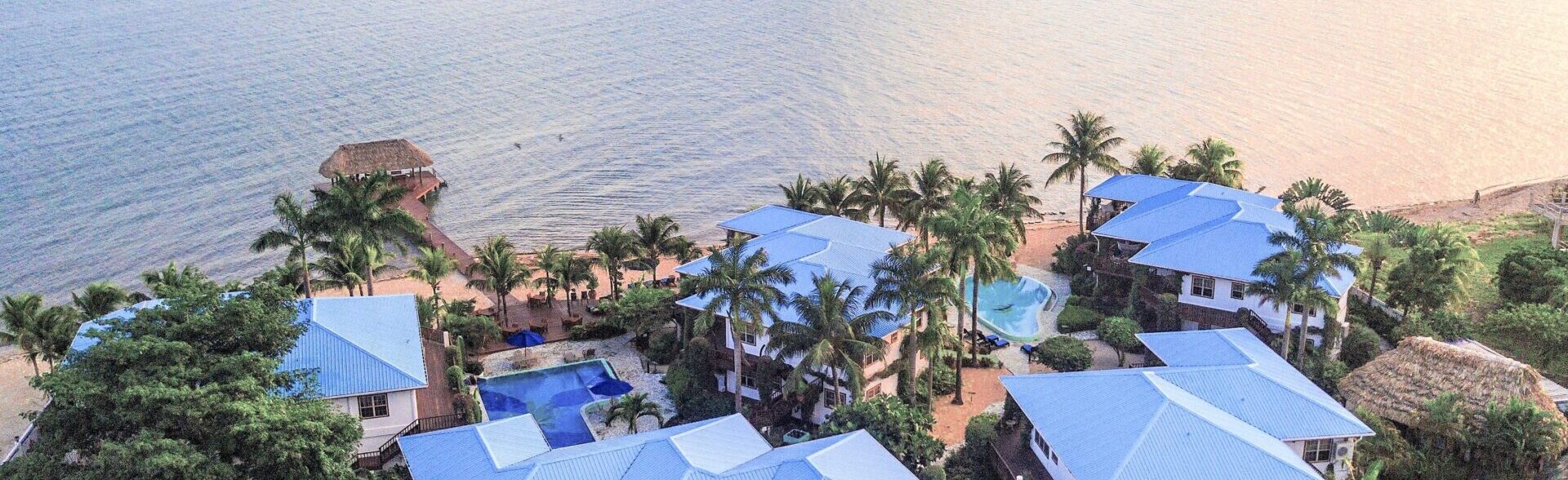
Chabil Mar is located along the 26-mile-long beautiful Placencia Peninsula in southern Belize and sits between an indigenous Garinagu settlement and the former Creole fishing village of Placencia.
Marketing Manager Larry France said that just last week Chabil Mar received a Fodor’s Choice Award as one of the best resorts in Belize. “ To see a respected travel site like Trip Advisor honor Chabil Mar with a certificate of excellence award shows that we are really working diligently in this tourism industry”, he said. “Of course our staff also deserves big praise”, he added when asked about how he felt about Chabil Mar receiving another prestigious recognition.
About Chabil Mar:
Chabil Mar appeals to the discerning traveler looking to combine adventure and cultural experience with stylish, upscale and guest exclusive accommodations in Placencia, Belize.
Chabil Mar is Placencia’s only Guest Exclusive Resort, reserving the entire resort amenities for the private use of their guests.
The resort is comprised of 19 spacious villas and 1 honeymoon suite. Located on 400 feet of private Caribbean beach, Chabil Mar boutique resort boasts two beachfront infinity swimming pools nestled in lush tropical gardens, a private pier for swimming and reserved dining, a complimentary fleet of kayaks and bikes, free Wi-Fi, a bar, an outdoor restaurant with great food and views of the turquoise Caribbean Sea.
I was with a birding group enroute to a Mayan ruin in northern Belize last year when our van passed through a Mennonite community. Belize is a Central American country bordering the Caribbean Sea, with a Mayan background. Belizeans have chocolate skin, eat plantains and rice, wear brightly-colored clothes, and live in purple and green dwellings. It’s a Caribbean world.
Within that laid-back and humid universe are the fully clothed guttural-speaking conservative Mennonites, most of whom shun electricity and modern technology. They wear identical outfits that cover the whole body, work industriously by farming, building, and engineering, and abide by their religious beliefs of the 19th century. Stern faces, blonde, and fair-skinned, they looked like German farmers from another century.
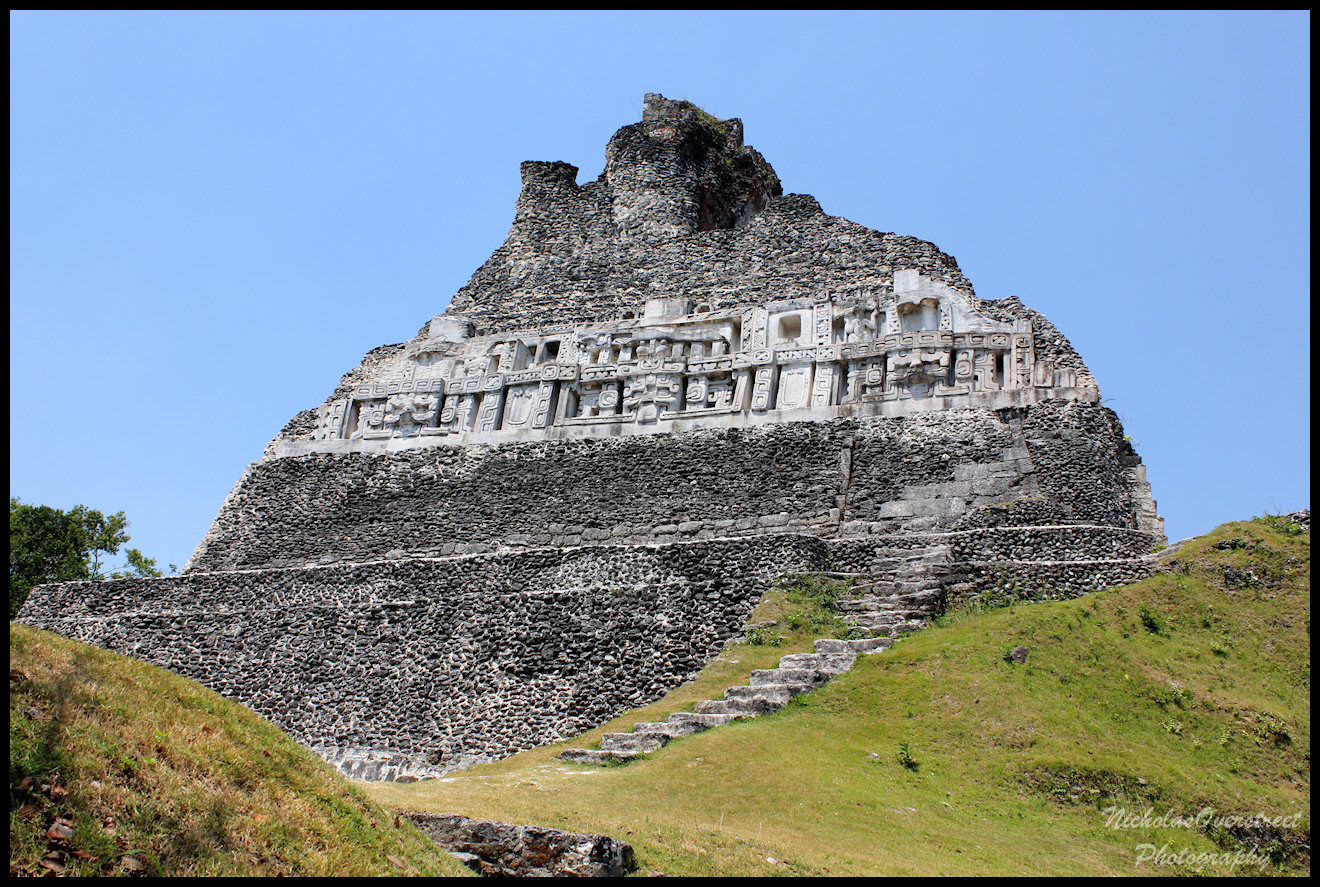
It happened to be a Sunday and we were way out on rural gravel roads headed for Lamanai, a Mayan ruin in the jungle. The Mennonites were also on the road, on their way to church. We had an eye-opening look at a cultural phenomenon. There were eight of us in this van and I noticed we were all gawking as numerous horse-drawn carriages passed by.
As we drove slowly along making room on the narrow road, our guide explained that there is a big Mennonite community in Belize that arrived in the late 1950s and early 60s from Mexico. Originally from Prussia and before that Germany and Holland, they settled and re-settled in many parts of the world including Canada and nearby Mexico. You can read more about their history here. We drove by their farmsteads and had many questions.
See also: Placencia Village
Of Belizean as well as Mayan descent, our guide talked warmly about the Mennonites and praised the work they have done in Belize. He said they have brought agriculture to his world, putting eggs and poultry on the table that they never had before. So many vegetables they have now, he beamed. And there was no one better, he said, for helping him fix his car and building furniture. So dependable and honest, too. He pointed to a farm tractor and explained: their religion allows rubber tires on horse drawn vehicles, but gas-powered tractors or cars have to have metal wheels.
Later that day while birdwatching in Lamanai, we encountered a Mennonite group on the trail. The men and boys walked in their own group, while the women and girls with armfuls of babies trailed behind. Of course they stared at us as much as we stared at them. We were sporting big cameras and binoculars, dressed in nylon and lycra, a group racially- and gender-mixed. We all made quiet but warm gestures in passing, giving each other respectful room on the trail and nods of acknowledgment. When they spoke amongst themselves their language sounded like German, but it is actually a combination of German and Dutch called Plautdietsch.
See also: Belize Culture
I pondered all this. Their beliefs and values were almost completely the opposite of my own. They razed the jungles to farm, and continue farming practices that are damaging to the environment. They breed strictly amongst their isolated community and at high rates, with no regard to population control. Men are superior in their world, and women are for tending the home and making more babies. But my philosophies, I realized, were beside the point.
The disparate cultures of Mayan- and German-based communities have worked together in Belize for over half a century. Over the years they have learned to accept and respect one another. This was the point. We all passed in proximity on this trail, serenaded by howler monkeys and squawking toucans overhead, all of us breathing together under one tropical canopy. If only more of the world could coordinate their differences so amicably.
Follow Us!