The Mennonites in Belize


This year marks the 60th anniversary of the first arrival of the Mennonite community in Belize. In 1958, a small band of Mennonites left Chihuahua State in Mexico and crossed into Belize to establish a farming community at the village of Spanish Lookout.

The first Mennonite settlers purchased land that was originally dense rainforest. With hard work and thriftiness, the Mennonites cleared the land in Spanish Lookout. Today, Mennonite farms growing beans, corn, and raising cattle have transformed their settlements into some of the most productive agricultural regions of Belize. Almost all of the eggs, chicken, and dairy products in Belize come from Mennonite farms.

Originally founded in the 16th century as a subsect of Anabaptist denominations in what is now Holland, Mennonites were forced to flee to Ukraine in order to escape persecution where they became known as “Russian” Mennonites (at the time, Ukraine was part of the Russian Empire). But following political instability, many Mennonites were forced to relocate in Mexico.

Today, there are some two million Mennonites worldwide and around 12,000 Mennonites in Belize, including converts from the local Creole and Mestizo populations. Most Mennonites in Belize speak Plautdietsch, a variant of standard German for communication and standard German for church and school.

The Mennonite faith is expressed differently depending on the congregation, with some communities following a strictly conservative lifestyle that eschews all modern conveniences while others, including the Spanish Lookout community, use and operate modern machinery and electricity. In some Mennonite communities in Belize such as Lower Barton Creek, transportation is with horse-drawn buggies and no modern technology is permitted, including photographs. In Spanish Lookout, on the other hand, only the language and conservative dress styles separate Mennonites from other communities in Belize, and the congregation is permitted to drive cars and use electricity.

To outsiders, the Mennonites are often confused with the Amish, another conservative religious tradition that began in Europe. The Amish, however, are considered a subset of the larger Mennonite faith, and Mennonites, generally, are more open to using modern technology and interacting with the public.

“At Chabil Mar, we know that Belize’s cultural diversity is one of this country’s greatest strengths,” said Larry France, marketing manager at Chabil Mar. “On behalf of all of us at the resort, we congratulate the Mennonite community on the occasion of their 60th anniversary.”

Chabil Mar is an inclusive luxury resort located on the Placencia Peninsula in southeastern Belize.


The Magnificent Belize Manatees

ManateeManatees are lovable and gentle water creatures that spend their entire lives in the water. According to researchers, manatees can have a life span of up to 60 years and are found habitually in warm shallow waters. They only eat plants making them herbivores.

Belize has the region’s largest concentration of manatees by the count of the United Nations Environment Programme due to the fact that our country has the largest coral reef in the western hemisphere and extensive mangrove swamps. In addition, Belize’s network of rivers and lagoons which is protected in part by the reef provides fertile feeding grounds and shelter for these amazing mammals.

See also: Cockscomb Basin Wildlife and Jaguar Preserve

Manatees can be spotted along Belize’s entire coast line and can weigh as much as 1000 pounds. According to a UNEP report, manatees in Belize number fewer than 1000 but the population’s birth rate and cub survival rate is moderately stable and analogous to the population of Florida’s Crystal River area.

There are three protected manatee areas in Belize: The Northern Lagoon/Corozal Bay Wildlife Sanctuary near Belize’s border with Mexico, the Swallow Caye Wildlife Sactuary which is a few miles from Belize City and Gales Point Manatee Wildlife Sanctuary in the Southern Lagoon area.

Many of our guests have spotted manatees on their way to Monkey River Village for the Howler Monkey Tour which remains one of the top tours to do from Placencia. On this tour, you will not only see manatees but also a variety of exotic birds, crocodiles and howler monkeys in their natural tropical environment.

Contact our Reservations Manager to explore your Placencia, Belize Vacation.

Photo by Brigid Gallagher

The Creole Culture of Belize

Photo by Matadornetwork.com

Belize is an outstanding example of a true melting pot society where different cultures, religions, and traditions have formed a harmonious whole. By the numbers, the Creole people, sometimes spelled Kriol, are the largest segment of society. Originally of African origin and brought to the Caribbean as slaves to assist in the valuable logging industry, the Creole people constitute approximately 25% of modern Belize’s population.

In the early 18th century, English loggers came to Belize in order to harvest valuable timber species such as logwood and mahogany. Some of these loggers made huge fortunes and began importing slaves from other British colonies such as Jamaica. Being on the periphery of British society, many English loggers intermingled with the slaves. Today, the term Creole refers to a culture rather than physical appearance as some Creole have light skin, blonde hair, and blue eyes as a result of centuries of cohabitation.

And while the atrocities of slavery can never be forgotten, Belize was always a place where the lines between different segments of society were blurred. In 1798, when English loggers banded together to fend off a Spanish maritime invasion, they would’ve been unsuccessful had not they received vital assistance from Creoles.

The British Empire formally outlawed slavery in 1807, and the Creole population of Belize soon began thirsting for more autonomy and equal rights. After a series of protests in the early 20th century, the British government placed Belize on a fast-track towards independence, and the Creoles formed the dominant political force in the then-colony. In 1981, when Belize gained full independence from Britain, approximately 70% of the population was Creole.

The Creole then began opening Belize to other groups which had been persecuted elsewhere, including indigenous Maya people from Guatemala and Mexico, the Garifuna (an Afro-Caribbean people), East Indian entrepreneurs, and German-speaking Mennonites. Over time, the Creole developed their own unique version of English that is now the lingua franca for most people in Belize even if standard English remains the official language.

Creole food and its long heritage form the backbone of modern Belizean cuisine, including standards like rice and beans with spicy chicken, potato salad, wild game meats like peccary and gibnut, and a variety of seafood dishes. But the most popular Creole food is fry jacks, soft strips of puffy, fried dough that are a breakfast mainstay.

The current prime minister of Belize, Dean Barrow, is Creole.

For more information about traveling to Belize, feel free to chat with our Concierge at: concierge@chabilmarvillas.com or contact our Reservations Manager at: reservations@chabilmarvillas.com. Or perhaps you would like to call toll free from the US or Canada: 1-866-417-2377.

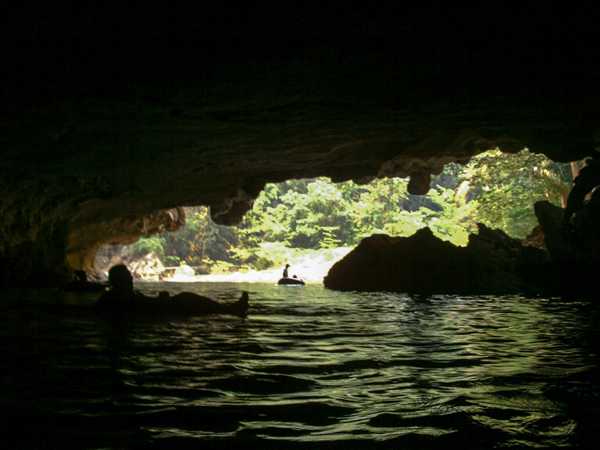
Belize Cave Tubing

Belize cave tubing

Although Belize is best known for its gorgeous beaches, lush rainforests, majestic waterfalls, and world-class snorkeling and diving on the Belize Barrier Reef, one of the most ubiquitously Belizean experiments is the unique sport or adventure option known as cave tubing.

The geology of Belize has created thousands of caves, many of which were used as sacred ceremonial sites by the ancient Maya that once ruled the country in the long centuries before the arrival of Europeans. The ancient Maya believed that the natural limestone formations of caves were sacred nexuses that connected the upper world of humans with the underworld of the gods.

Some of the caves in Belize are home to underground creeks and rivers. Cave tubing is the uniquely Belizean sport of floating on inner tubes through a series of subterranean labyrinths, many of them still containing artifacts, weapons, pottery, and even skeletons of the humans who were sacrificed by ancient Maya priests.

Although cave tubing is a very safe sport, transitioning from the bright saturation of jungle foliage to the inky darkness of a cave can be quite daunting to some visitors. Some of the enormous mineral formations inside the cave have not seen light for centuries, reflecting strange and eerie flashes in the light of a head torch or flashlight. Experienced guides ensure that participants can safely enjoy the experience while offering educational insights about the geology and long history of the caves.

Cave tubing is often marketed as a sport or adventure experience, but many participants find it has a meditative or deeply spiritual effect. Gently floating down a stream or river on an inner tube, passing from the world of light and noise into a world of utter darkness, silence, and enormous monolithic structures that go on for miles before once again returning to the light of day leaves many participants with a sensation of being reborn.

Because the ideal rivers for cave tubing are located deep in the jungle, many participants enjoy combining cave tubing with other complementary activities including zip lining through the canopy or spelunking one of the many sacred caves in the country, including ATM (Actun Tunichil Muknal) Cave that still hosts the complete skeletons of young children sacrificed to Maya gods more than 1,000 years ago.

Chabil Mar resort located on the Placencia Peninsula offers guests Belize jungle and sea packages that include cave tubing, zip lining, and other exciting activities.

For more information about cave tubing in Belize, feel free to chat with our Concierge at: concierge@chabilmarvillas.com or contact our Reservations Manager at: reservations@chabilmarvillas.com. Or perhaps you would like to call toll free from the US or Canada: 1-866-417-2377.

15 Instagram Photos of Placencia Belize Everyone Needs to See

“The Placencia peninsula is fast becoming one of the major visitor destinations in Belize, one that may eventually rival Ambergris Caye as the most popular resort area in the country. It’s one 16-mile- (26-km-) long peninsula, with three different but complementary areas: Northern Peninsula/Maya Beach, Seine Bight, and Placencia Village” reads the profile of Placencia Belize on Fodors Travel website.

As you will see in these 15 Instagram photos, the Placencia Peninsula is not only a great vacation destination but also a fabulous place to snap amazing travel photos.

Placencia is a top Belizean gem

placencia belize vacations 2014

Photo by Jeff Monuszko

Placencia has approximately 16 miles of sandy beaches

placencia beaches

Photo by: Bunny Penitusi

Placencia has long enjoyed a reputation as ‘the caye you can drive to

placencia destination belize

Photo by David Guerra

Belize is famous for its laid-back attitude, and Placencia beach is the perfect place for travelers to celebrate it

placencia peninsula beaches belize

Photo by Morgan Avary

Whale Sharks, the largest living fish, congregate near Gladden Spit off Placencia, Belize to feed on plankton and other spawning fish

belize whale shark diving

Photo by @mcelroy27

Placencia isn’t only known for it’s nice beaches and great bars, it also has superb food spots

placencia belize food restaurants

Photo by Chabil Mar

If you’re looking for somwhere to plan the perfect beach wedding, then look no further than Placencia Belize

placencia belize wedding vacation packages

Photo by Chabil Mar

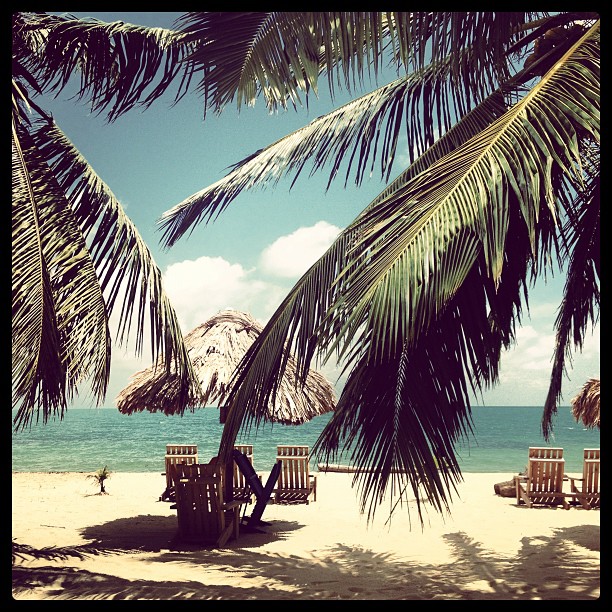
Everything in Placencia is calm and stress-free, from the breeze in the coconut palms to the waves lazily lapping the shore

placencia belize vacations

Photo by Don Town

The Diving in Placencia is world class

placencia belize diving

Photo by Talor Hightower

The average temperature in sub-tropical Placencia is 80 degrees Fahrenheit, and the average humidity is 83%placencia belize sunrise

Photo by: Leanne Castillo

Placencia is a popular destination for visitors wanting to dive, fish and swim around the atolls and reefs teeming with some of the highest marine diversity in the world.

placencia belize resorts

Photo by Cylie Hightower

Placencia was primarily a fishing village but it has now become a major tourism destination

belize placencia vacations travel

Photo by joshzaid

There are many places to stay in Placencia – from low-cost lodging to all inclusive Belize Resorts

placencia belize luxury resorts

Photo by Jeff Monuszko

Placencia is simply Paradise

vacation in placencia belize

Photo by Jeff Monuszko

Laughing Bird Caye is a beautiful Belizean isle that can be explored from Placencia

explore belize islands from placencia

Photo by || merissa

For more information about the traveling to Belize or Placencia, feel free to chat with our Concierge at: concierge@chabilmarvillas.com or contact our Reservations Manager at: reservations@chabilmarvillas.com. Or perhaps you would like to call toll free from the US or Canada: 1-866-417-2377.

Archives