Humans enjoyed chocolate 1,500 years earlier than thought: Study

Chocolate is humanity’s favorite food, and a new research paper published in the journal Nature Ecology and Evolution has proven that people have been making and enjoying chocolate for 1,500 years longer than previously thought. According to the study from researchers at the University of British Columbia in Canada, humans have been growing cacao (the principal ingredient in chocolate) for over 5,300 years.

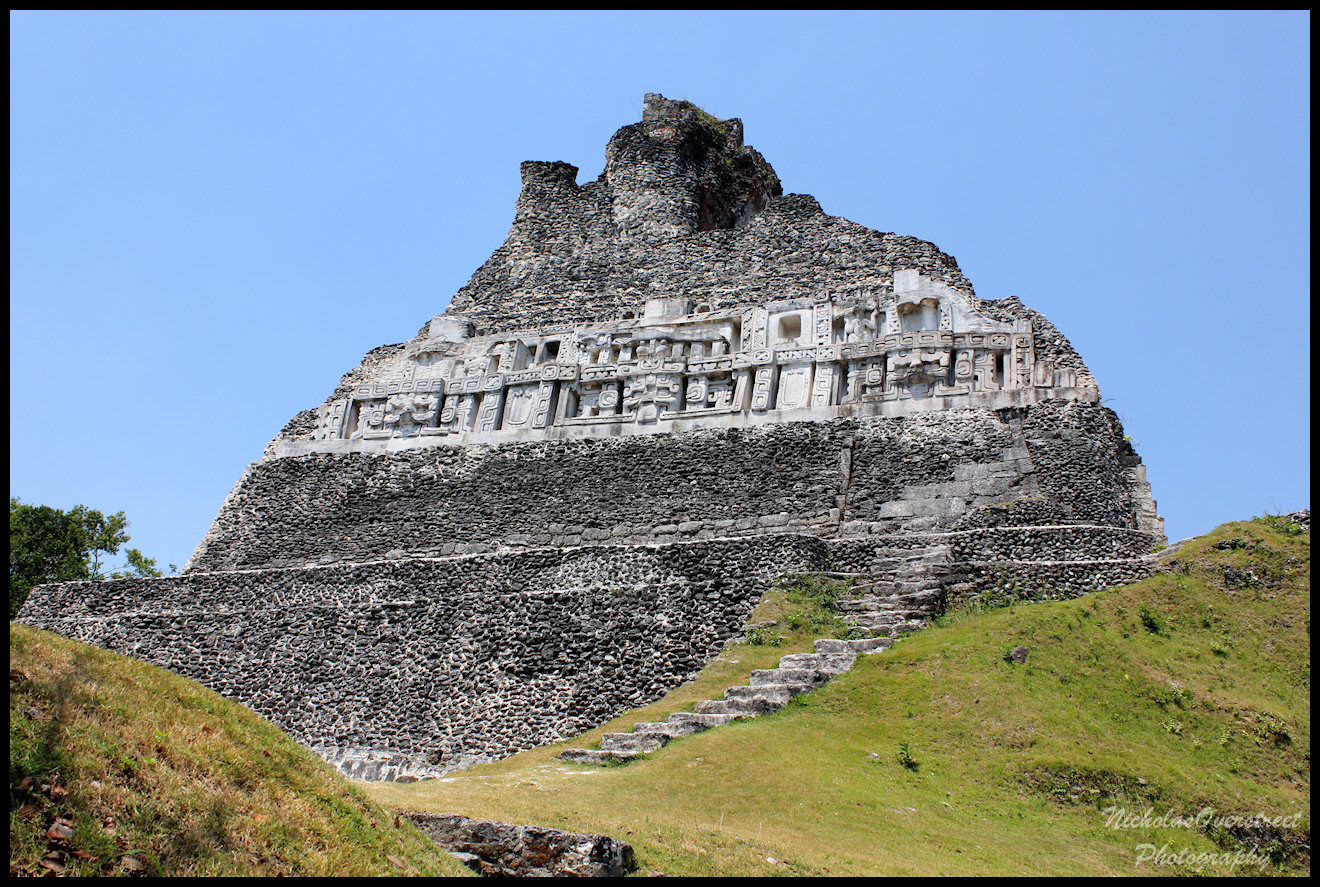
The study looked at intentional cacao planting as opposed to cacao plants in the wild which thrive in the warm tropical climates of Central and northern South America. The researchers analyzed the DNA of modern cacao trees and discovered that new varieties started emerging over 5,000 years ago in indigenous settlements along the Amazon basin. The researchers were then able to prove that this farmed variety of cacao is the same as the cacao that was grown by the ancient Maya culture in Belize and southern Mexico.

Prior to the arrival of the Spanish in the 15th century, the principle way that chocolate was consumed in the Americas was as a drink. The theobroma cacao species that is found across Belize and the rest of Central America was used to make sacred drinks which were consumed during religious ceremonies and feasts. Cacao beans were so highly prized by the ancient Maya that they were also used as currency.

By studying pottery and other artifacts at ancient sites that still contain remnants of cacao beans, researchers were able to push back the earliest verified data for intentional cacao farming to more than 5,300 years ago. Researchers discovered traces of theobromine, a component of modern cacao beans, inside the pottery fragments and were thus able to analyze the plant’s DNA, showing that it was the cultivated variety as opposed to the varieties found nearby in the wild.

The ancient Maya believed that chocolate was the “elixir of life,” and there are records of Maya kings drinking up to 50 cups of chocolate per day. Today, chocolate is known as a superfood, rich in antioxidants, copper, manganese, iron, and other essential nutrients.

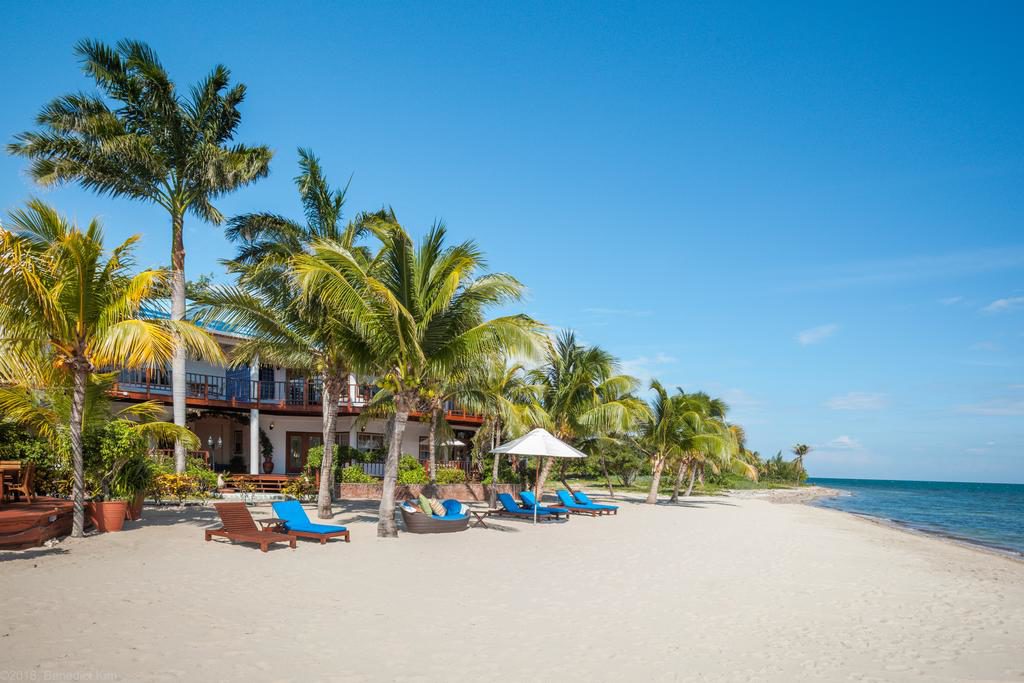
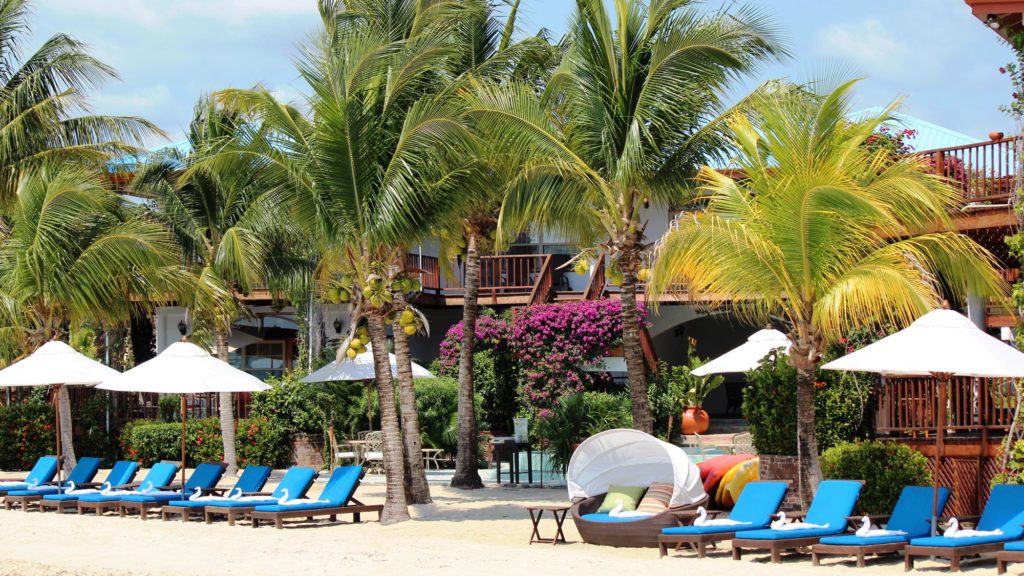
Ready to try some ancient chocolate recipes for yourself? The best way to indulge your passion for this sublimely delicious superfood is to visit the Belize Chocolate Festival in May or sign up for one of Chabil Mar’s chocolate tours. Chabil Mar is an award-winning beach resort located just steps from the Caribbean on the beautiful Placencia Peninsula in southeastern Belize.

Three Belizeans Receive Artist Emeritus Award

In a VIP ceremony at the Museum of Belize in Belize City on October 19, 2018, three Belizean artists were given the award of “Artist Emeritus” of Belize and official recognition of their achievements by the government.

The ceremony was led by Patrick Faber, the Deputy Prime Minister of Belize, and Sapnah Budrani, president of the National Institute of Culture and History, who presented the Artist Emeritus award to Florencio Mes, Myrna Manzanares, and Gerald “Lord” Rhaburn in front of a packed crowd of cheering enthusiasts. Budhrani told a packed hall that “Belize is blessed with so much diversity, and these living heroes have made us laugh, dance, and appreciate our country’s rich artistic traditions.”

Florencio Mes is of Maya origin and is known for his sublime skills on the harp and his relaxing, soothing music. Hailing from San Pedro Colombia in Toledo District, Mes is the last surviving member of the “Three Kings,” three legendary Maya musicians from Central America.

Myrna Manzanares is an internationally recognized writer, poet, and storyteller who is known for her in-depth expressions of the Creole culture in Belize. Manzanares is a strong advocate of Creole culture, including traditional forms of music and dance.

Gerald Rhaburn, better known as Lord Rhaburn, is a well-known calypso, soca, reggae, and brukdown (breakdown) musician famous for songs such as “Pump it up” and “Gumagarugu Water” that stem from his deep Garifuna roots. He gained international recognition in the 1970s when performing with the Lord Rhaburn Combo. In 2004, the Lord Rhaburn Music Awards were first held, an annual award show that recognizes outstanding Belizean musicians.

All three Artist Emeritus award winners were given a plaque and a $500 monthly government stipend.

Speaking during the ceremony, Minister Faber said, “On behalf of the entire nation, we thank you for your lifetime of contributions to culture in Belize. We hope you will take your monthly stipend to continue to produce your art to further enrich generations of Belizeans to come.”

Also present at the ceremony were Dana Rhamdas of the National Creole Council, Hilario Mes, son of Florencio Mes, and Karen Vernon, the theater director at the Bliss Center for the Performing Arts. Attendees were also treated to a live phone call of congratulations from Dr. Linda Mcartha Sandy-Lewis, better known as the calypso musician “Calypso Rose.”

The staff and management of Chail Mar heartily congratulate these magnificent artists and thanks them for their contributions to Belizean culture.

Don’t Miss the Belize International Film Festival

Twenty-one countries will be represented at the 13th annual edition of the Belize International Film Festival (BelizeIFF). From November 8-11, 2018, in Belmopan’s University of Belize Jaguar Auditorium will be where a diverse range of full-length and short films will be screened for an excited audience. There will also be a limited screening of some of the same films in Belize City from November 8-11, 2018.

Over 30 films will be shown at the BelizeIFF in five different categories: films that focus on the human condition, films about “collective memories” (discussing people, events, and places that have shaped the history of the region), short films, music videos (all filmed in Belize and featuring Belizean musicians), and “Green Globe” films that raise awareness about environmental issues.

The BelizeIFF will begin with a red carpet opening night gala on Thursday, November 8. Winners for each of the different categories will be announced during the closing ceremony on Sunday, November 11, followed by a concert. The official film selection list includes movies from Colombia, Norway, Burkina Faso, the Dominican Republic, Trinidad and Tobago, Nicaragua, Cuba, Venezuela, the United States, Mexico, Japan, Aruba, Togo, and, of course, Belize.

The cost of general admission for an individual film is $10 or $5 for students and seniors with a Golden Social Security Card. The cost to attend the opening night red carpet gala is $25, and the cost to attend the award show is $25.

Fifteen music videos will be screened in the music video category, eight films in the human condition category (including one directed by Christopher Coppola), five films in the collective memories category, and 17 movies in the short film category. Films with dialogue in a language other than English will be subtitled for the conveniences of attendees.

The Green Globe category is new to the BelizeIFF this year and is being led by the World Wildlife Fund and their local partners in Belize. No award will be given to a film in the Green Globe category as they are designed to be educational in nature.

Film lovers and nature lovers alike love to stay at the beautiful Chabil Mar resort on the Placencia Peninsula where something exciting is always going on. Just this week, researchers at Louisiana State University discovered a huge salt factory in Payne’s Creek just south of Chabil Mar, and everyone is now gearing up for Garifuna Settlement Day on November 19. 

November is the perfect month to enjoy some scuba diving or snorkeling, learn more about the Garifuna culture, or visit the Battle of the Drums competition in nearby Punta Gorda.

Belize Chocolate Company Wins Big at the International Chocolate Awards

The Belize Chocolate Company was recently awarded the silver medal at the International Chocolate Awards in Hoboken, New Jersey, beating out more than 800 entries submitted by 130 companies from around the world to clinch a stunning second-place finish.

Formed in 2007, the Belize Chocolate Company is a family-owned craft bean-to-bar gourmet chocolatier that uses ingredients entirely sourced from Belize, including organic cacao beans grown in Toledo District and pure sugarcane grown and processed in Orange Walk District. Currently, the only place to buy or sample products from the Belize Chocolate Company is from one of their stores on the islands of Caye Caulker or Ambergris Caye.

All of the Belize Chocolate Factory’s products are organic, fair trade or direct trade certified and made by hand at their processing facility in San Pedro. Owned and operated by a local family, the Belize Chocolate Factory works directly with local farmers. The Belize Chocolate Family personally selects the cacao nibs, roasts them according to a proprietary recipe to make chocolate bars, chocolate syrup, chocolate-coated truffles, cocoa butter, and other luxury chocolate treats. They also hold chocolate-making classes at their facility in San Pedro.

Cacao beans and products made from them, including rich chocolate drinks, have been a mainstay of the Maya culture for more than 5,000 years. The center for modern Belize chocolate making is in Toledo District where the rich mineral soils are ideal for growing cacao that is used by famed chocolatiers like Maya Gold and the Belize Chocolate Company.

One of the most popular chocolate festivals in the world is held every May in the southern Belizean town of Punta Gorda in Toledo District. Featuring a range of delicious chocolate treats as well as unusual delicacies like chocolate wine and chocolate beer, the Belize Chocolate Festival is a great opportunity for chocolate lovers to sample concoctions both ancient and modern from some of the finest chocolatiers in the country, including the Belize Chocolate Company.

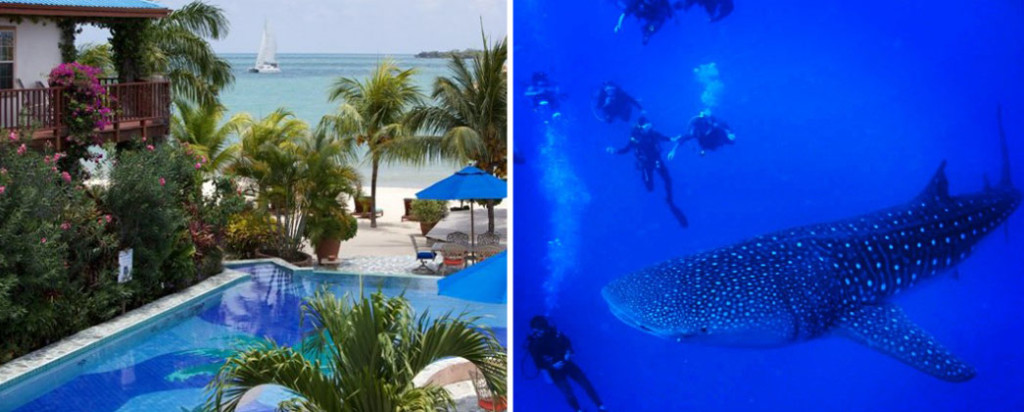
If you’re interested in sampling some of the incredibly delicious chocolate made in Belize, you can stay at the Chabil Mar Resort. A perennial TripAdvisor favorite, Chabil Mar is a luxury beachfront resort with two freshwater infinity swimming pools, a gourmet restaurant, a lush tropical garden, and 22 elegant villas.

Chabil Mar is close to all of the top attractions in the country and regularly organizes tours to visit traditional Maya villages and cacao farms.

For information about Belize, feel free to chat with our Concierge at: concierge{@}chabilmarvillas.com or contact our Reservations Manager at:reservations{@}chabilmarvillas.com. Or perhaps you would like to call toll free from the US or Canada: 1-866-417-2377.

Belize’s Mennonites Featured in the New York Times

In a recent special feature in their “The Look” section, the New York Times documented the Mennonite community in Belize with a series of photographs and in-depth interviews. According to the New York Times, the Mennonite community is based entirely on their Christian faith, which includes strict commandments to keep the affairs of the state separate from those of faith.

The Mennonites are often confused with the Amish as both faiths have conservative wings that largely eschew modern technology. But while the Amish are largely found in the United States, the majority of the more than one million Mennonites around the world live in tight-knit communities in countries like Paraguay, India, the Democratic Republic of Congo, and Belize.

The New York Times article tracks the first Mennonites of Belize from their origins in Russia to their numerous escapes from the intolerant governments of Poland, Canada, and later Mexico. But once in Belize, the Mennonites liked what they saw, including legal exemption from mandatory military service and the ability to create parochial schools with instruction in their native language: a variant of German called Plautdietsch.

The expose and photographs published in the New York Times compares and contrasts the Mennonite’s philosophy about integration with the modern world. On one hand, they are largely restricted to conservative forms of dress, but savvy Mennonite businessmen use computers and smartphones to help sell their products while cruising down the road in a horse and buggy. But their choice to use older forms of transportation is more about keeping their communities close-knit than any belief in the inherent evils of modern technology.

One interesting fact not mentioned by the New York Times is that 2018 is when the Mennonite community is marking the 50th anniversary of their arrival to the then-British colony. After facing persecution in Mexico, the community emigrated to the village of Spanish Lookout in what is now Cayo District, attracted both by the welcoming atmosphere as well as the abundance of fertile farmland.

Today, the Mennonites in Belize are largely known for their cattle ranching and dairy production, and Mennonite cheese, butter, beef, and other products can be found on supermarket shelves all across the country. It is estimated that approximately 11,000 people in Belize are active members of the Mennonite community.

Chabil Mar resort in Placencia Belize offers jungle and beach vacation packages that include cultural trips to indigenous communities across the country, including tours of Mennonite villages.

For information about Belize, feel free to chat with our Concierge at: concierge{@}chabilmarvillas.com or contact our Reservations Manager at:reservations{@}chabilmarvillas.com. Or perhaps you would like to call toll free from the US or Canada: 1-866-417-2377.

Archives