


On the nineteenth of November each year, southern Belize comes alive in a way that has no equivalent anywhere else in the country. Garifuna Settlement Day commemorates the arrival of the Garifuna people to the shores of Belize in 1832, and in towns like Dangriga, Hopkins, and along the coastline south toward the Placencia Peninsula, the celebration is as much a cultural statement as it is a public holiday. Drumming, dancing, traditional food, and the re-enactment of that original landing by canoe fill the streets and the shoreline for days before and after the date itself.
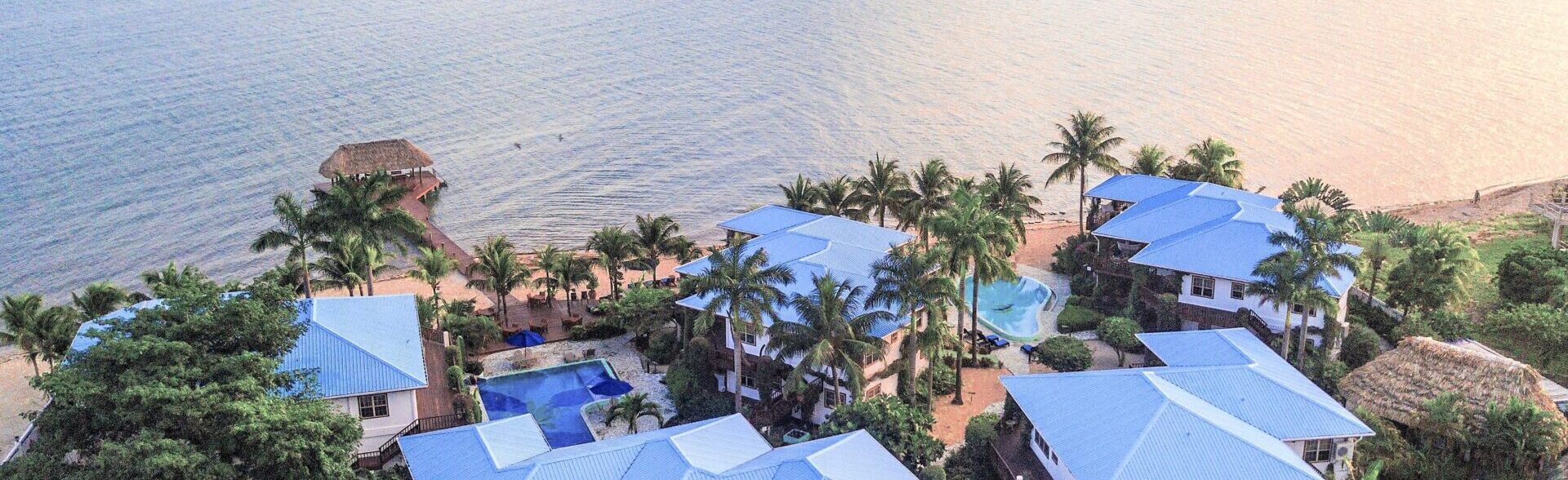
For guests staying at Chabil Mar Villas in late November, the timing creates an opportunity to witness something genuinely rare: a living culture celebrating itself with full intensity, in its own homeland, in a way that has been passed down without interruption for generations.
Who the Garifuna are

The Garifuna trace their origins to the island of St. Vincent in the Eastern Caribbean, where the descendants of shipwrecked West African enslaved people intermarried with the indigenous Arawak and Carib peoples over the course of the seventeenth century. The resulting community, the Garifuna, developed a distinct language, music, spiritual practice, and cuisine that drew from all three of those roots simultaneously.
When the British colonial government exiled the Garifuna from St. Vincent in 1797, approximately five thousand people were transported to the Bay of Honduras. From there, over the following decades, Garifuna communities spread along the Central American coast into what is now Belize, Honduras, Guatemala, and Nicaragua. The arrival in Belize in 1832 is the moment that Garifuna Settlement Day marks.
In 2001, UNESCO recognized Garifuna language, dance, and music as an Intangible Cultural Heritage of Humanity. That recognition reflects what anyone who has witnessed Garifuna drumming and the punta rhythm already understands: this is a culture with a distinct voice that the world would be poorer without.
What happens on Settlement Day

The celebrations centre on Dangriga, the largest Garifuna town in Belize and one of the most important Garifuna communities in Central America. The day begins with a re-enactment of the 1832 landing: canoes arrive at the shore carrying people in traditional dress, drumming, and carrying cassava and other foods that the original settlers brought with them. The scene on the waterfront is one of the most visually powerful moments in the Belizean cultural calendar.
From the landing, the celebrations spread through the town: processions, drumming groups moving through the streets, traditional Garifuna food being cooked and shared, and punta dancing that continues well into the night. The food deserves particular mention. Hudut, a Garifuna dish of fish cooked in coconut milk and served with mashed plantain called fufu, appears everywhere during Settlement Day and is one of the defining tastes of southern Belize.
Smaller celebrations happen in Hopkins, Seine Bight, and other Garifuna communities along the southern coast. The Placencia Peninsula sits close enough to all of these that guests staying at Chabil Mar can participate in the celebrations as part of their trip.
Southern Belize as a cultural destination

The Garifuna presence shapes southern Belize in ways that go well beyond one day of celebration. The music you hear in restaurants and bars along this coastline, the drumming that carries across the water on quiet evenings, the particular rhythm of punta that shows up everywhere from village gatherings to beachside events, all of it reflects a culture that is alive and present rather than preserved behind glass.
The food of southern Belize is also inseparable from Garifuna influence. Cassava bread, sere fish soup, coconut-based preparations, and the use of plantain in ways that feel Caribbean but are distinctly Garifuna have worked their way into the broader culinary identity of the region. When you eat well in a village restaurant near Placencia, you are often eating something shaped by that tradition whether or not the menu names it.
Planning a trip around Settlement Day

If you are considering a late November trip to Belize, the timing around Garifuna Settlement Day is worth building your dates around rather than treating as a coincidence. The nineteenth of November is the peak of the celebrations, but the days before and after it in the Dangriga area carry energy that extends the experience well beyond a single afternoon.
At Chabil Mar, we can help guests who want to attend Settlement Day celebrations plan the logistics: the drive to Dangriga, what to expect when you arrive, and how to engage with the festivities respectfully and fully. November is also a transitional month weatherwise, with the green season drawing to a close and dry season beginning to establish itself, which means the conditions for travel are improving as the celebration approaches.
There are few moments in a Belize trip that stay with guests the way Settlement Day does. If your dates allow it, we would encourage you to be here for it. Contact Chabil Mar Villas to check availability for November and plan your trip to the Placencia Peninsula.
Visit our website Chabilmarvillas.com for more information on Belize and Chabil Mar, and don’t hesitate to send us an email, or call & chat with us via WhatsApp Free Worldwide: +501-633-7547, Local: (011-501) 523-3606, if you have questions or need help in planning a Belize vacation.


